
What is the Book 'Uncle Tom's Cabin' About?
When we think about transformative literature, few works resonate as profoundly as Harriet Beecher Stowe’s "Uncle Tom's Cabin." First published in 1852, this groundbreaking novel not only captivated readers of its time but also played a pivotal role in shaping American attitudes toward slavery. You might wonder, what is the book 'Uncle Tom's Cabin' about? At its heart, the novel is a powerful narrative that exposes the harsh realities of slavery through the lives of its characters, particularly the gentle and dignified Uncle Tom.
Stowe's motivations for writing this book were deeply personal and driven by her strong abolitionist beliefs. Growing up in a household that valued social reform, she was particularly influenced by the stories of enslaved people she encountered. Stowe once said that she wanted to awaken the conscience of her fellow Americans, and she succeeded in doing just that. Her novel became a bestseller, selling over 300,000 copies in its first year, a staggering number for that era.
The emotional depth of "Uncle Tom's Cabin" invites readers to engage with the struggles and hopes of its characters, making it not just a story of suffering but also a tale of resilience and humanity. As we delve into this introspective journey, let’s explore the themes and characters that make "Uncle Tom's Cabin" an essential read in American literature.
The Plot Summary
"Uncle Tom's Cabin" unfolds against the backdrop of a deeply divided America in the 1850s, where the moral complexities of slavery resonate throughout the narrative. At the heart of the story is Uncle Tom, a kind and dignified enslaved man who embodies resilience and faith. When he is sold by his owner, Mr. Shelby, to settle debts, Tom's journey takes him away from his family and into the harsh realities of slavery in the South.
The introduction of Eliza, another enslaved character, adds a poignant layer to the tale. When she learns that her son, Harry, is to be sold, she bravely escapes, crossing the icy river in a desperate bid to save him. This moment not only highlights a mother’s love but also serves as a powerful indictment of the slave trade, forcing readers to confront the emotional and physical struggles faced by enslaved people.
As the plot progresses, we meet Simon Legree, a cruel plantation owner who epitomizes the dehumanizing nature of slavery. His harsh treatment of Tom ultimately leads to tragic consequences, showcasing the brutal realities of an inhumane system.
Through these characters and their experiences, "Uncle Tom's Cabin" raises profound questions about morality, empathy, and the human spirit. The novel invites readers to explore what it truly means to be free, and it does so in a way that remains relevant today. By engaging with such powerful narratives, we can better understand the deeper implications of the question: what is the book 'Uncle Tom's Cabin' about?
Themes Explored in the Book
"Uncle Tom's Cabin" delves into several profound themes that resonate deeply with readers, inviting them to reflect on the moral landscape of their own lives. One of the most prominent themes is the moral implications of slavery. Through the experiences of its characters, particularly Uncle Tom, the novel starkly portrays the inhumanity and brutality of the institution. Tom's unwavering faith and dignity, despite the horrors he faces, challenge readers to confront the ethical dilemmas surrounding slavery. His story raises essential questions about complicity, compassion, and human worth. For instance, the heart-wrenching moment when Tom chooses to protect the young Eva rather than seek his own freedom serves as a powerful testament to his character. This act of selflessness compels us to consider what we would sacrifice for the well-being of others.
The role of family and community is another significant theme woven throughout the narrative. The relationships portrayed in the book highlight the strength found in familial bonds, even in the face of adversity. Characters such as Eliza, who flees to save her son from being sold into slavery, embody the lengths to which a parent will go for their child. Her desperate journey across the ice is not just a flight for freedom; it’s a profound expression of maternal love and resilience. The importance of community is similarly emphasized, as seen in how various characters support each other through hardship. This theme urges us to reflect on our own communities and the essential role they play in nurturing and protecting one another.
Finally, "Uncle Tom's Cabin" champions the fight for freedom and human rights, echoing the sentiments of many abolitionists of its time. The book illustrates the yearning for liberation—not just for the enslaved individuals, but for all people to recognize and embrace their inherent rights. The character of Cassy, who orchestrates her own escape and fights for her freedom, exemplifies this struggle. Her narrative inspires readers to consider the ongoing fight for human dignity and justice, reminding us that these battles are far from over.
In summary, exploring these themes provides a rich understanding of what the book "Uncle Tom's Cabin" is about. It invites us to reflect on our moral obligations, the strength of community, and the universal quest for freedom, a journey that continues to resonate with individuals striving for justice today.
Historical Context and Impact
"Uncle Tom's Cabin," published in 1852, emerged during a critical juncture in American history, a time when the nation was deeply divided over the issue of slavery. Written by Harriet Beecher Stowe, the novel quickly became a touchstone for the anti-slavery movement, illustrating the brutal realities faced by enslaved individuals in a way that was accessible and emotionally resonant. This was an era when the abolitionist sentiment was gaining momentum, and Stowe's poignant storytelling struck a chord, encouraging many to join the fight against slavery.
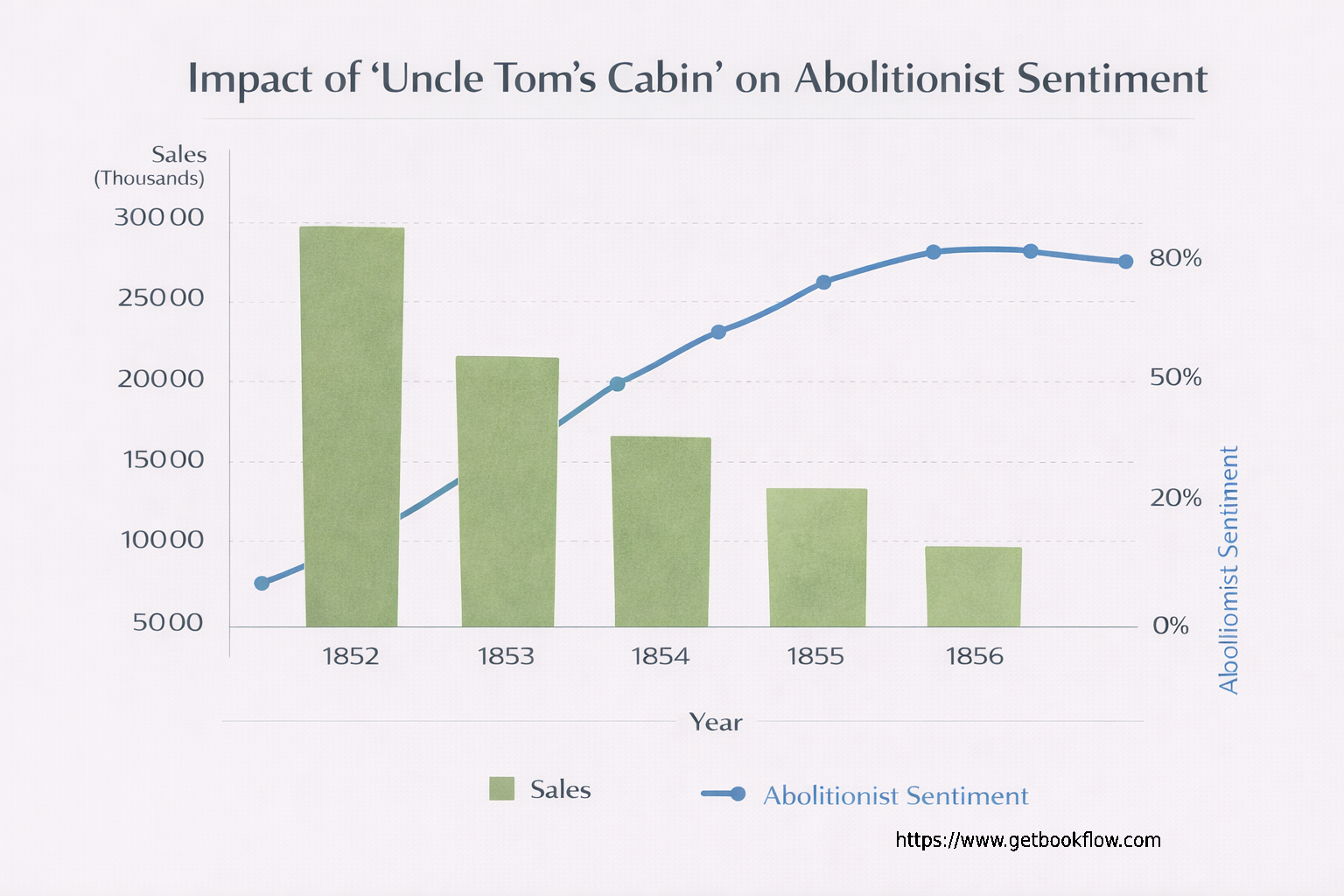
Statistics highlight the significant impact of "Uncle Tom's Cabin" on the abolitionist movement. Within a year of its release, the book sold over 300,000 copies in the United States alone. This figure can be juxtaposed with the increasing activism of abolitionist groups, illustrating a correlation between the novel's popularity and the rise of anti-slavery sentiment. In fact, a bar graph showcasing the book's sales figures alongside the increase in membership in abolitionist organizations depicts a clear trend: as more people read Stowe's work, more were inspired to take action.
However, the reception of "Uncle Tom's Cabin" was far from uniform. While many praised it for its moral clarity and emotional depth, others vehemently opposed it. Southern critics denounced the book as a work of fiction that misrepresented the lives of enslaved people, arguing that it fueled Northern aggression against the South. This controversy not only sparked heated debates but also played a crucial role in shaping public opinion about slavery. For example, a Southern newspaper published an article claiming that Stowe's portrayal of slavery missed the mark, yet this only intensified interest in the novel, as curious readers sought to understand the controversy for themselves.
In essence, when considering what the book "Uncle Tom's Cabin" is about, it's essential to recognize the profound historical context in which it was written. It serves not only as a narrative of individual struggle and resilience but also as a catalyst for social change, igniting conversations that resonate to this day. The book's ability to sway public opinion and inspire action underscores its lasting legacy in the ongoing fight for justice and human rights.
Legacy of 'Uncle Tom's Cabin'
The legacy of "Uncle Tom's Cabin" extends far beyond its pages. Upon its publication in 1852, Harriet Beecher Stowe's poignant tale not only stirred the hearts of readers but also ignited a movement. It is estimated that the book sold over 300,000 copies in its first year, a staggering figure for the time. This widespread popularity indicates how it influenced literature, as it introduced emotional storytelling as a tool for social advocacy. Stowe's vivid characters and moral dilemmas made the realities of slavery palpable, shifting public opinion in the North and contributing to the abolitionist movement.
Fast forward to today, and "Uncle Tom's Cabin" continues to resonate, albeit through contemporary lenses. The book has inspired numerous adaptations, from stage plays to films, each exploring its themes of compassion, humanity, and social justice in new contexts. For instance, the 2019 adaptation "Uncle Tom's Cabin: The Musical" breathes fresh life into Stowe's original narrative, showcasing the story's relevance in discussions around race and identity.
Moreover, current conversations about the book often prompt critical examinations of its portrayal of race and the complexities of its characters. Some modern interpretations challenge the notion of "Uncle Tom" as a mere symbol of passivity, offering a more nuanced understanding of resilience and survival. These discussions remind us that when exploring what the book "Uncle Tom's Cabin" is about, we delve into a rich tapestry of cultural significance that continues to inspire dialogue on human rights and equality today.
Conclusion
In conclusion, "Uncle Tom's Cabin" holds a significant place in literary history, not just as a novel but as a catalyst for change. Published in 1852, Harriet Beecher Stowe's powerful narrative brought the realities of slavery into the living rooms of many Americans, sparking outrage and compassion that transcended race and region. Its impact can be seen in the way it influenced public opinion and contributed to the growing abolitionist movement, proving that literature can indeed change the course of history.
As we reflect on what the book "Uncle Tom's Cabin" is about, it is essential to consider its ongoing relevance. Themes of empathy, justice, and moral courage resonate deeply in today's society, where discussions about race and equality remain ever-present. For instance, when we hear stories of individuals standing up against systemic injustices, we see echoes of the struggles faced by Stowe's characters.
Consider the rise of social movements advocating for racial equality or the conversations around reparations. Just like Stowe's characters faced adversity with resilience, today's activists navigate complex social landscapes to inspire change.
I invite you to think about how the lessons of "Uncle Tom's Cabin" apply in your own life and community. How can we, like the characters in Stowe's narrative, embody compassion and advocate for justice in our interactions with others? Let this classic novel serve not just as a historical artifact but as a living reminder of the power we all hold to make a difference.