A Gentle Exploration of Its Historic Library
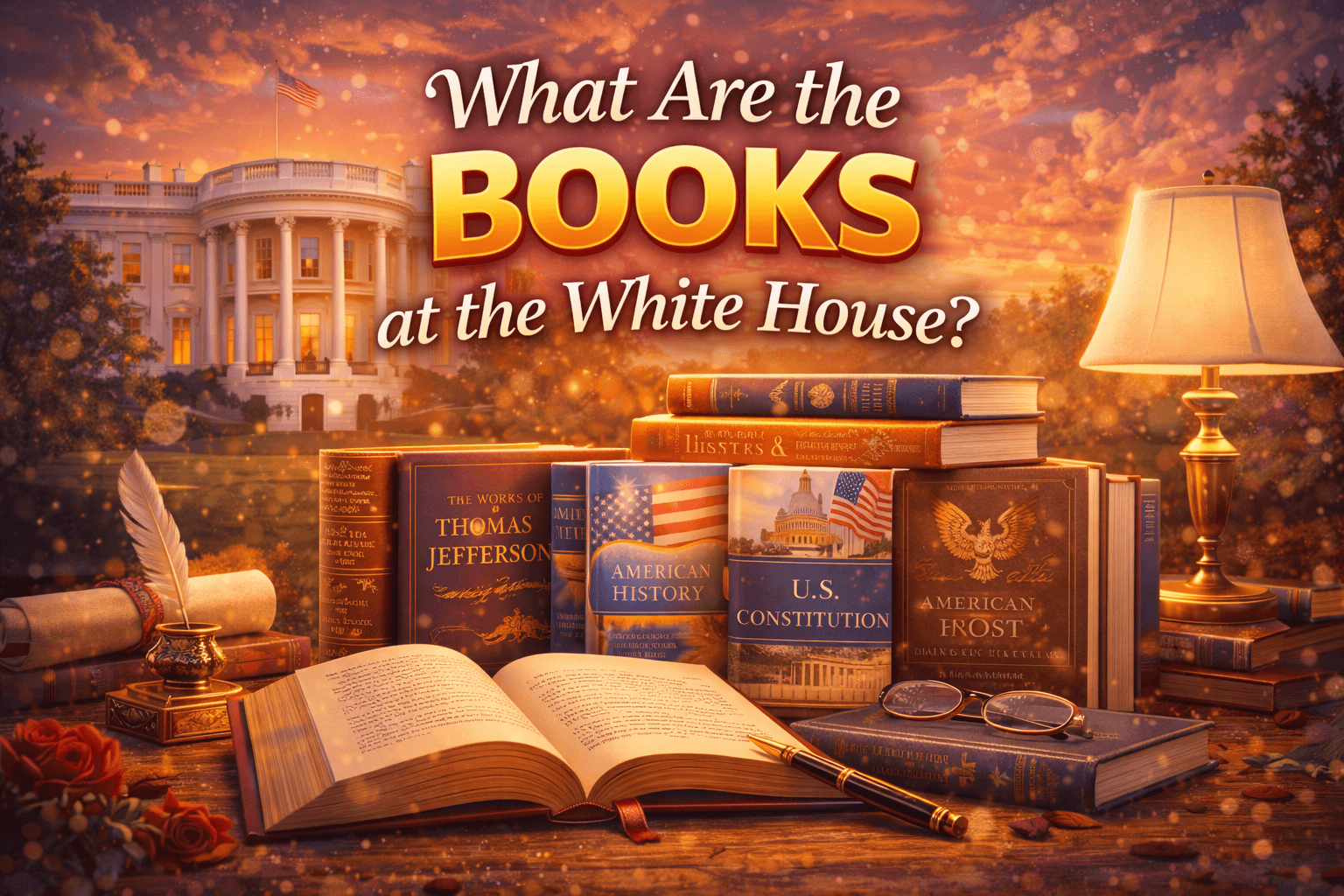
The White House stands as more than a residence or office. It is a living symbol of American history, filled with artifacts that reflect the nation's story. Among its treasures is a dedicated library, a room on the ground floor holding thousands of volumes that represent classic works in American history, literature, and philosophy.
Many wonder about the books at the White House. Do presidents bring personal favorites? Is there a curated collection? The answer combines tradition, donation, and thoughtful curation.
As of 2026, the White House Library contains over 2,700 books, according to the White House Historical Association. This collection focuses on American authors and themes, offering a snapshot of national identity.
This guide draws from reliable sources like the White House Historical Association, Wikipedia (updated through 2025), and historical records. We explore the library's origins, contents, notable mentions, and its quiet significance.
The White House Library: Origins and Evolution
The White House Library traces its roots to 1850. President Millard Fillmore and First Lady Abigail Fillmore, avid readers, established the first official collection with congressional funding. Abigail, a former teacher, selected books emphasizing American works.
By the early 20th century, books dwindled. In 1935, the room became Franklin D. Roosevelt's personal library. The modern collection took shape in 1963 under Jacqueline Kennedy's guidance. She commissioned a committee to stock it with 2,700 classic American titles, a number maintained today.
The American Booksellers Association donated volumes early on and continues contributions. The library serves teas, meetings, and quiet reflection, with access to a lounge.
What Books Are in the Collection?
The library emphasizes American history, literature, biography, and philosophy. It avoids contemporary bestsellers or partisan works, focusing on enduring classics.
Core focus: Works by American authors or about America.
Examples from historical records: Biographies of presidents, founding documents, literary classics like those by Mark Twain or Washington Irving.
Notable inclusions: Collected works of founders (Washington, Jefferson, Franklin), poetry, philosophy, and fiction reflecting national identity.
Exact titles evolve slightly with donations and curation, but the 1963 framework endures. The White House Historical Association describes it as representing "classic works in American history, literature, and philosophy."
Presidents add personal touches elsewhere, Oval Office shelves display family photos, busts, or select volumes (e.g., Biden's family Bible). The main library remains a public-facing collection.
Presidents' Personal Libraries and Favorite Books
Presidents bring private collections to the residence. These reflect tastes:
Joe Biden (as of early 2026 data): Displayed a family Bible in the Oval Office replica.
Historical examples: Ronald Reagan enjoyed Tom Clancy; Barack Obama favored literary fiction; George Washington collected agricultural texts.
The residence includes private family libraries, but the official ground-floor room is the public White House Library.
The Library's Role Today
In 2026, the library symbolizes continuity. It hosts events and offers a serene space amid the building's bustle. With over 2,700 volumes, it invites reflection on America's intellectual heritage.
Visitors on tours glimpse it, appreciating its role as a "living museum."
A Humane Reflection on Books in the People's House
The books at the White House remind us that leadership involves learning. From Fillmores' vision to Kennedy's curation, the library honors knowledge as a shared resource.
In a digital age, physical books here ground us in history and story.