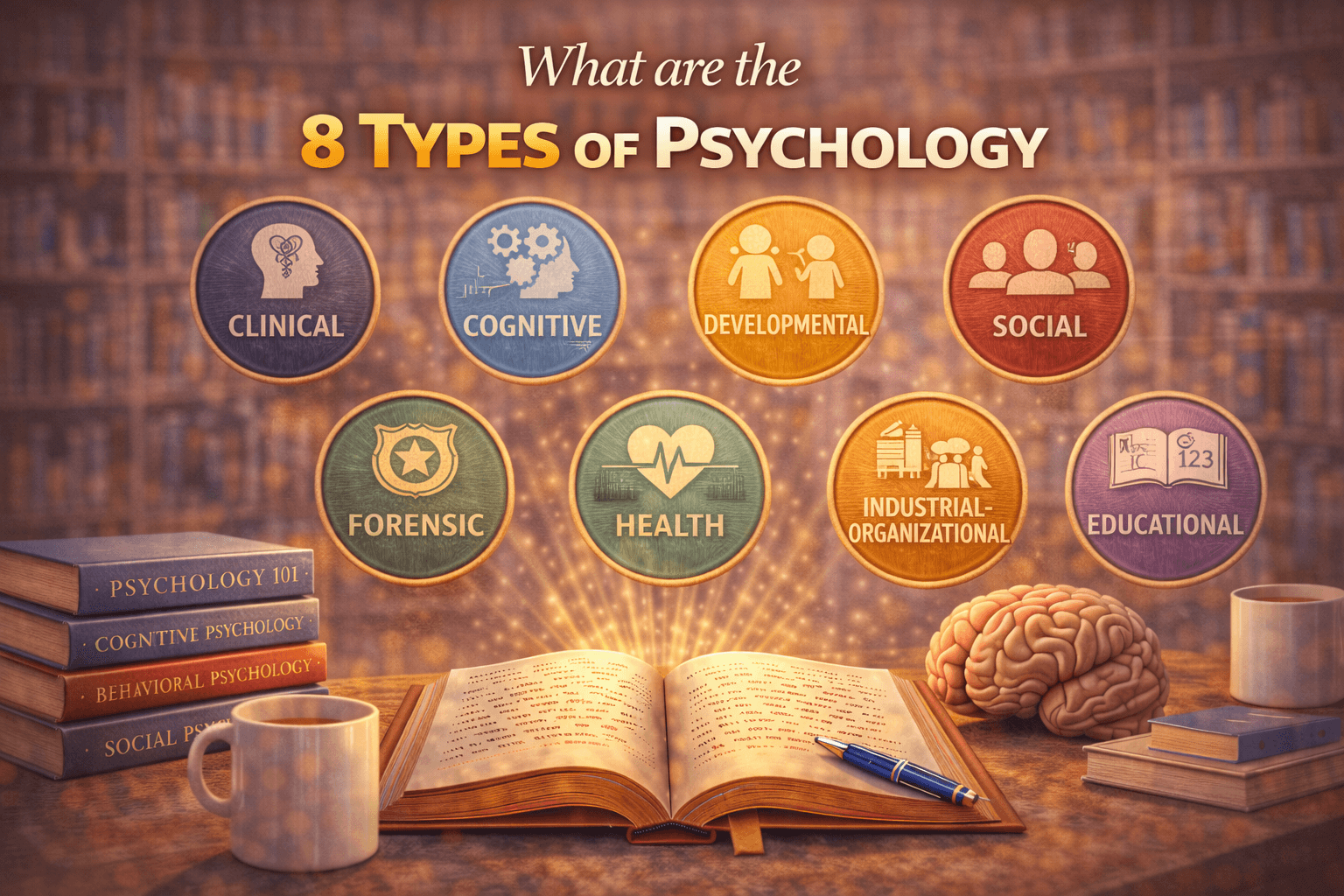
What are the 8 Types of Psychology?
Psychology is a fascinating field that delves into the complexities of human behavior and mental processes. At its core, psychology seeks to understand why we think, feel, and act the way we do. This understanding is not just academic; it has real-world implications for our personal lives, relationships, and even our workplaces. For instance, consider how understanding the psychological principles behind motivation can lead to more effective leadership styles, or how insights from psychology can help us manage stress in our daily lives.
But psychology is not a one-size-fits-all discipline. It encompasses a wide range of fields, each with its own unique focus and methodology. From clinical psychology, which aims to diagnose and treat mental health disorders, to social psychology, which explores how individuals interact within groups, the diversity within this field is astonishing. Other branches, such as cognitive psychology, delve into the intricacies of thought processes, while developmental psychology examines how we grow and change throughout our lives.
As we explore the question, "What are the 8 types of psychology," we'll uncover how each one contributes to our understanding of the human experience. Whether you're a student, a seasoned professional, or simply someone curious about the mind, gaining insights into these different branches can deepen our collective understanding of ourselves and those around us. Join me on this enlightening journey through the various realms of psychology, where each type offers its own lens through which to view the intricacies of human nature.
1. Clinical Psychology
Clinical psychology is a vital branch of psychology that focuses on diagnosing and treating mental health disorders. At its core, it is about understanding individuals' emotional struggles and providing them with the tools they need to navigate their challenges. Clinical psychologists often work in diverse settings, including hospitals, private practices, and community health centers, where they engage with clients to foster healing and growth.
Imagine a young professional named Sarah, who has been feeling increasingly anxious about her job. She seeks the help of a clinical psychologist, who creates a safe space for Sarah to express her feelings and fears. Through therapy, they explore the underlying causes of her anxiety and develop coping strategies tailored to her unique situation. This personal approach not only addresses Sarah's symptoms but also empowers her to better understand herself.
The role of clinical psychologists extends beyond just therapy; they often conduct psychological assessments to better gauge their clients' needs. According to the American Psychological Association, around 1 in 5 adults experience mental illness in a given year, highlighting the importance of accessible mental health care.
In this way, clinical psychology plays a crucial role in promoting mental well-being and enhancing individuals' quality of life. As we explore the question of "what are the 8 types of psychology," it's clear that clinical psychology is foundational in addressing the complexities of the human mind and fostering resilience in those who seek help.
2. Cognitive Psychology
Cognitive psychology delves into the fascinating world of mental processes, exploring how we perceive, remember, and solve problems. Think of it as the behind-the-scenes director of our thoughts, guiding everything from the way we process information to how we make decisions in our daily lives. For instance, when you're trying to remember where you left your keys, your brain is engaging in cognitive processes that involve memory retrieval and problem-solving.
Research shows that cognitive processes like attention, perception, and memory can significantly impact our decision-making abilities. According to a study by the American Psychological Association, nearly 70% of our daily decisions are influenced by cognitive biases, mental shortcuts that can lead to errors in judgment. This statistic emphasizes just how much our cognitive processes shape our interactions and choices, often without us even realizing it.
In practical terms, understanding cognitive psychology can empower us to improve our decision-making. For example, when faced with a big life choice, such as choosing a career path or making a purchase, being aware of our cognitive biases can help us approach these decisions more rationally. By recognizing how perception can distort our views or how memories can be reconstructed, we can make more informed choices that align with our true values and goals.
As we continue to explore what are the 8 types of psychology, it’s evident that the insights from cognitive psychology are not just academic; they are integral to navigating our everyday lives effectively and thoughtfully.
3. Developmental Psychology
Developmental psychology is a fascinating field that studies how we evolve from infancy through old age. It examines the psychological growth and changes that occur at various stages of life, helping us understand how experiences shape our behavior, learning, and even our relationships.
Consider the example of a child learning to walk. This milestone is not just about physical development; it reflects cognitive growth and emotional learning as well. As they take those wobbly first steps, they gain confidence and a sense of independence. This is a crucial developmental stage that significantly impacts their future ability to tackle challenges and socialize with others.
Developmental psychology breaks down the lifespan into distinct stages, each with its unique challenges and milestones. For instance, Erik Erikson's theory outlines eight stages of psychosocial development, from trust vs. mistrust in infancy to integrity vs. despair in old age. Each stage presents opportunities for growth and learning, and how we navigate these can influence our behaviors later in life.
Research shows that early experiences can have a lasting impact. For instance, studies indicate that children who receive emotional support and encouragement tend to excel in school and develop healthier relationships as adults. By understanding the critical nature of these developmental stages, we can not only foster healthier individuals but also create more supportive communities.
As we ponder what are the 8 types of psychology, it is clear that developmental psychology plays a vital role in helping us appreciate the complexities of human growth and the profound influence of our early experiences.
4. Social Psychology
Social psychology is a fascinating branch of psychology that delves into how individuals influence and are influenced by others. It examines the dynamics of interpersonal relationships and group behavior, shedding light on everything from peer pressure to the power of social norms.
For instance, think about a workplace setting. Imagine a team embarking on a challenging project. The way team members interact can significantly impact both the quality of their work and their overall satisfaction. If one person consistently expresses positivity and encouragement, it can uplift the entire group. Conversely, if negativity or cynicism creeps into the mix, it can lead to decreased morale and productivity.
Research supports these observations. A study published in the Journal of Personality and Social Psychology found that group members are more likely to conform to the opinions of others when they perceive those opinions as credible or widely accepted. This highlights the importance of understanding group dynamics and how they shape our behavior.
In everyday life, social psychology can help us navigate various situations, from resolving conflicts among friends to improving our communication skills in professional environments. By being aware of how the actions and attitudes of others affect our own, we can build healthier relationships and foster more supportive communities.
As we explore what are the 8 types of psychology, social psychology stands out as a crucial lens through which to understand our interconnected human experience.
5. Industrial-Organizational Psychology
Industrial-Organizational Psychology focuses on the dynamics of the workplace, emphasizing both employee well-being and organizational effectiveness. At its core, this field examines how individual behaviors, motivations, and emotions influence workplace performance. It's a fascinating area that blends psychology with real-world applications, helping organizations thrive while ensuring their employees feel fulfilled and valued.
One pivotal aspect of Industrial-Organizational Psychology is its commitment to enhancing productivity. For instance, research indicates that companies with engaged employees can see up to a 21% increase in profitability. This statistic highlights the tangible benefits of fostering a positive work environment. Strategies such as employee recognition programs, flexible work arrangements, and opportunities for professional development can significantly uplift morale and job satisfaction.
Imagine a tech company that implements a mentoring program, pairing experienced professionals with newcomers. This not only aids in skill development but also fosters a sense of belonging and community, leading to lower turnover rates and higher employee satisfaction. According to a recent study, 70% of employees cited career growth opportunities as a primary factor in their job satisfaction.
When we delve into what are the 8 types of psychology, Industrial-Organizational Psychology emerges as a crucial component in creating harmonious workplaces, ultimately benefiting both employees and employers alike. A pie chart illustrating employee satisfaction factors could reveal that aspects like career growth, work-life balance, and recognition play significant roles in shaping an engaged workforce. By focusing on these areas, organizations can cultivate an environment where everyone has the chance to thrive.
6. Behavioral Psychology
Behavioral psychology delves into the intricate relationship between behavior and the environment, offering valuable insights into why we act the way we do. This branch of psychology emphasizes that our actions are often a direct response to external stimuli, rather than solely driven by internal thoughts or feelings. For instance, think about a child learning to tie their shoes. Initially, they may struggle, but with consistent practice and positive reinforcement, they become proficient. This example highlights how behavior can be modified through environmental influences and rewards.
In therapy, behavioral psychology employs techniques like behavior modification to help individuals make lasting changes. For example, someone struggling with a phobia, such as fear of heights, might undergo systematic desensitization. This process gradually exposes them to the height that triggers their fear while teaching them coping strategies to manage their anxiety. Over time, they learn to associate heights with calmness rather than panic.
Statistics support the effectiveness of behavioral techniques; studies indicate that cognitive-behavioral therapy (CBT), which incorporates behavioral principles, can significantly reduce symptoms of anxiety and depression in up to 60% of patients. This approach not only helps individuals understand their behaviors but also empowers them to reshape their responses to various situations.
Understanding behavioral psychology is one piece of the puzzle in answering the question, "What are the 8 types of psychology?" Each type offers unique perspectives and tools for navigating our complex human experience, ultimately guiding us toward healthier, more fulfilling lives.
7. Forensic Psychology
Forensic psychology is a fascinating and specialized field that applies psychological principles to legal issues. It’s where the worlds of law and psychology intersect, making it an essential area in understanding human behavior in the context of crime. Imagine a scenario where a crime has been committed, and investigators are trying to uncover the motives behind it. This is where forensic psychologists come into play.
These professionals assess defendants’ mental states, provide expert testimony in court, and even help law enforcement agencies understand criminal behavior. For instance, consider a case involving a violent crime. A forensic psychologist might evaluate the suspect to determine if they were experiencing a severe mental health crisis at the time of the incident. Their insights can be pivotal, influencing whether the individual is found guilty or if they require mental health treatment instead of prison time.
Moreover, forensic psychologists often engage in profiling, which helps narrow down suspects based on psychological patterns and behaviors. In high-profile cases, such as serial crimes, these insights can be crucial to solving the case. They provide law enforcement with a deeper understanding of potential motives and behaviors, guiding investigations more effectively.
So, as we explore the question, "What are the 8 types of psychology?" it’s important to recognize forensic psychology's vital role in the legal system. Understanding how psychological principles apply to legal contexts not only enhances our comprehension of crime but also fosters a more humane approach to justice, highlighting the need for mental health considerations in legal proceedings.
8. Health Psychology
Health psychology is a fascinating branch of psychology that delves into how our psychological factors influence our health and overall well-being. It’s not just about treating illness; it’s about understanding how our thoughts, beliefs, and behaviors can significantly impact our physical health.
For instance, consider the role of stress in our lives. Numerous studies highlight the connection between chronic stress and various health issues, such as heart disease and weakened immune function. When we experience stress, our body releases hormones that, over time, can lead to serious health concerns if not managed properly. Health psychologists work to identify effective strategies to cope with stress, promoting healthier lifestyles and enhancing overall wellness.
Another compelling area of health psychology is how our behaviors directly affect our physical health. Take smoking, for example. Research indicates that interventions aimed at changing smoking behavior can lead to remarkable health improvements. A person who quits smoking can significantly reduce their risk of developing lung cancer and other serious illnesses, demonstrating the powerful link between behavior and health outcomes.
By exploring questions like "What are the 8 types of psychology?", we can appreciate the unique contributions of health psychology to our understanding of wellness. It highlights the importance of adopting a holistic approach to health, recognizing that mental and physical health are deeply intertwined. In today’s fast-paced world, health psychology plays a crucial role in helping individuals lead healthier lives, reminding us that caring for our minds is just as important as caring for our bodies.
Conclusion
As we draw our exploration of "What are the 8 types of psychology" to a close, it becomes clear just how vital it is to understand the diverse branches within this fascinating field. Each type of psychology offers unique insights that can profoundly shape our personal lives and professional paths. For instance, while cognitive psychology helps us understand our thought processes, social psychology sheds light on how our interactions with others influence our behavior. This knowledge can improve our relationships, enhance our decision-making skills, and even boost our careers.
Moreover, embracing the different types of psychology can empower us to tackle various challenges we face in our daily lives. Whether it's navigating the complexities of workplace dynamics through organizational psychology or seeking personal healing through clinical psychology, there is something for everyone in this rich tapestry of knowledge.
I encourage you to delve deeper into these fields. You might discover a passion for understanding human behavior, or perhaps you’ll find tools to enhance your own mental well-being. After all, the journey of learning never truly ends. Each type of psychology not only expands our understanding of ourselves and others but also equips us to foster a more compassionate and informed world. So take that first step, explore further, and embrace the beauty of human psychology. You never know what transformative insights await you on this path.