Top Horror Authors of All Time: The 13 Masters Who Crawl Under Your Skin and Never Leave
Some books don’t just scare you.
They move in.
They wait behind the shower curtain of your mind at 2 a.m. They whisper when the house is too quiet. They make you check the locks twice and still feel watched.
Those books were written by the people on this list.
These aren’t just “popular” horror writers. These are the architects of nightmare, the ones whose influence seeps into every creepy movie, late-night urban legend, and sudden chill you can’t explain. I’ve read them all—some of them too many times—and I still sleep with the light on when I revisit certain chapters.
Here are the 13 greatest horror authors who ever lived, ranked by how permanently altered my sense of safety.
1. Stephen King (1947– ) – The Undisputed King of Modern Fear
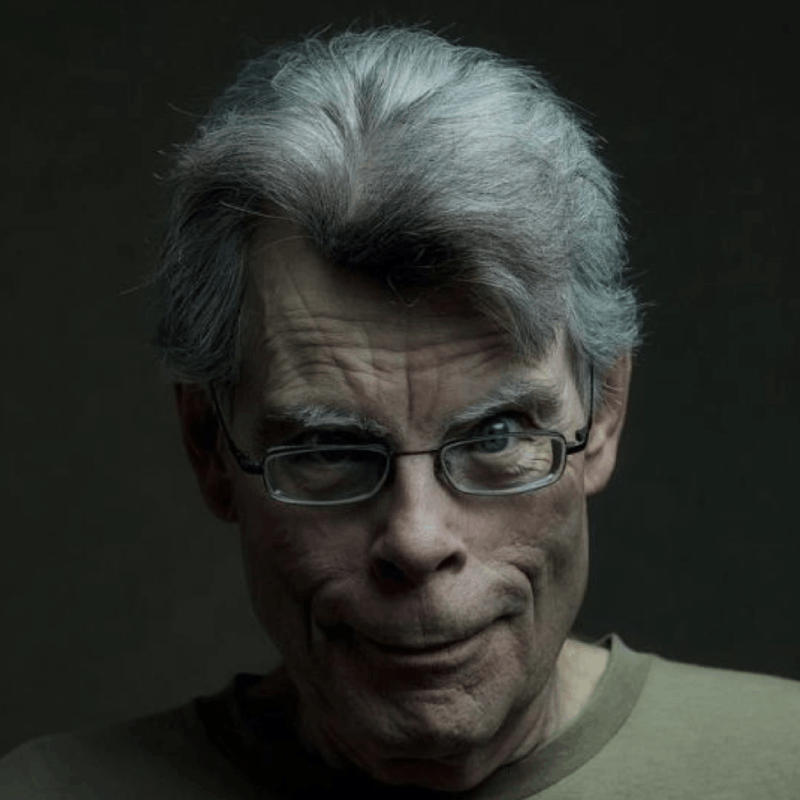
If horror had a Mount Rushmore, King’s face would take up three spots.
Carrie, The Shining, It, Pet Sematary, Misery—he didn’t just write scary books; he wrote about the exact moment a normal life cracks open and something hungry crawls out.
What makes him number one? He understands that the scariest monster is the one living inside the person you love. Alcoholism, grief, childhood trauma, religious fanaticism—King drags everyday demons into the daylight and lets them smile with too many teeth.
Fun fact: He’s published over 65 novels and 200 short stories, and he still answers fan mail like your slightly terrifying uncle who knows too much about you.
2. Edgar Allan Poe (1809–1849) – The Inventor of Being Afraid in the Dark
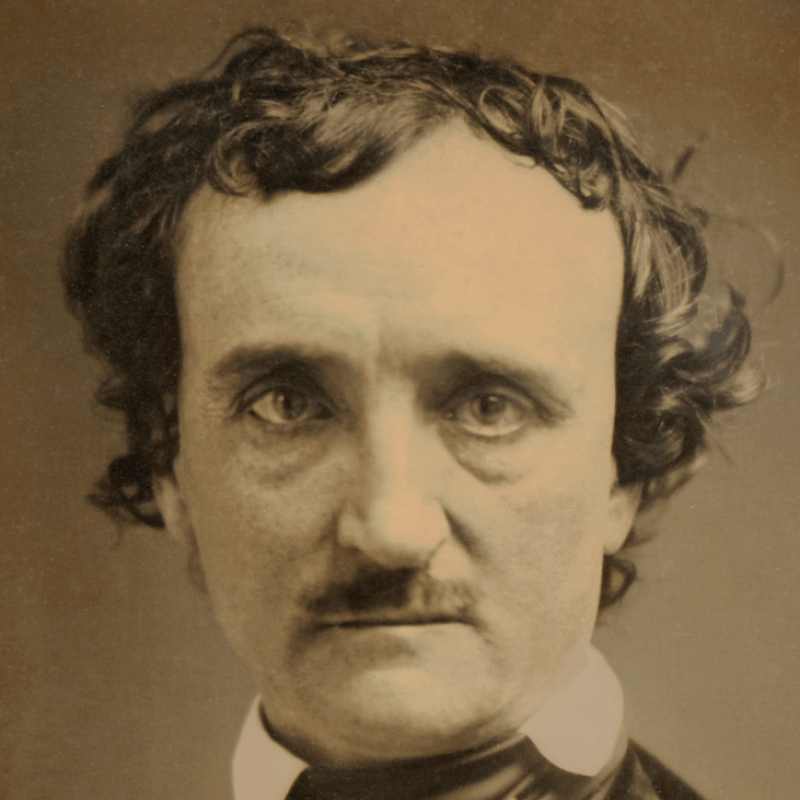
Before Poe, “horror” was mostly ghosts in castles. After Poe, horror lived in your heartbeat.
“The Tell-Tale Heart,” “The Fall of the House of Usher,” “The Raven,” “The Pit and the Pendulum”—he perfected psychological terror, unreliable narrators, and premature burial fears that still make people buy those coffin bells on Etsy.
He died mysteriously at 40, wearing someone else’s clothes and screaming the name “Reynolds.” Even his exit was a perfect Poe story.
3. H. P. Lovecraft (1890–1937) – The Architect of Cosmic Dread
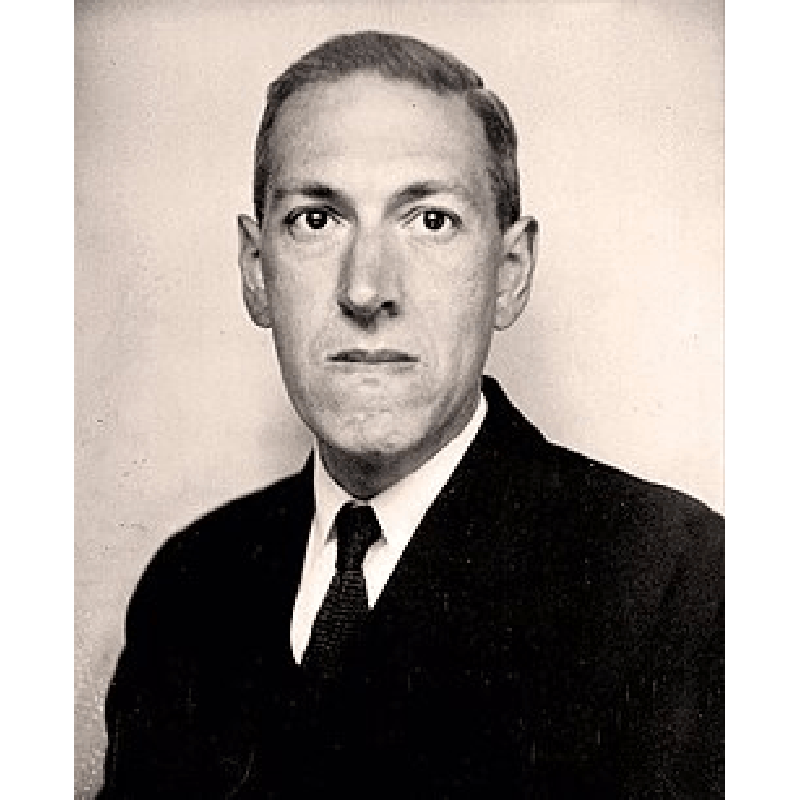
Lovecraft didn’t write about monsters. He wrote about realizing you are the monster’s afternoon snack and the monster doesn’t even hate you—it simply doesn’t care you exist.
Cthulhu, Nyarlathotep, the Necronomicon—his “cosmic horror” says the universe is ancient, indifferent, and occasionally hungry. Modern writers from Stephen King to Neil Gaiman to the Stranger Things creators all bow at the altar of the Old Ones.
(Yes, his personal views on race were awful. We read him the way we listen to genius musicians with terrible politics—eyes open, admiring the craft, condemning the human.)
4. Shirley Jackson (1916–1965) – The Queen of Quiet Terror
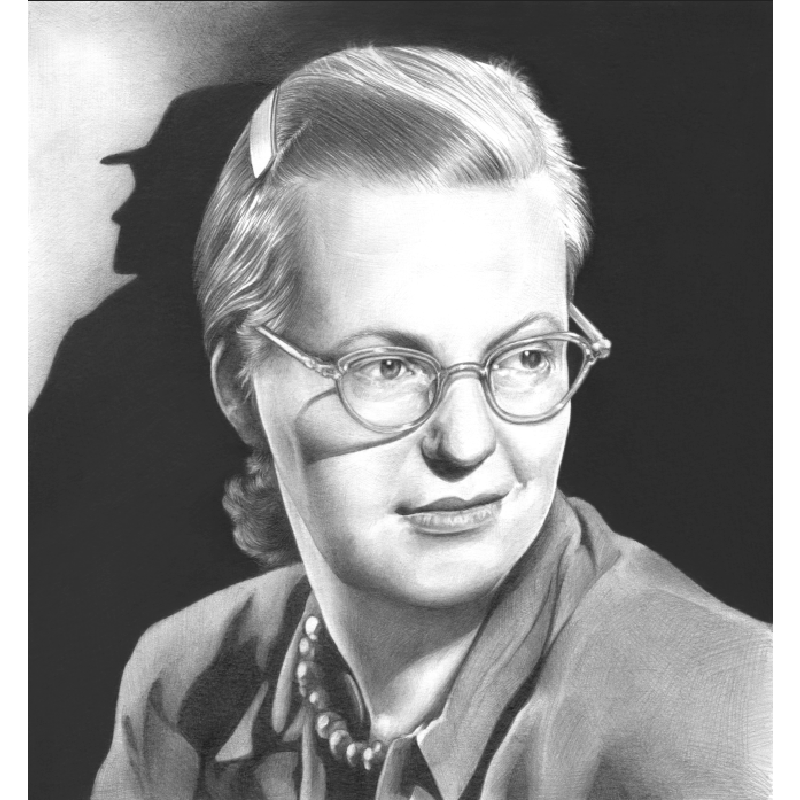
She never needed blood or tentacles. A sunny hill, a small village, a perfectly ordinary house—these were her weapons.
The Lottery (the short story that still gets banned in schools), The Haunting of Hill House, We Have Always Lived in the Castle. Jackson wrote about loneliness, cruelty disguised as tradition, and the way women get labeled “crazy” when they refuse to smile politely.
Hill House’s opening paragraph is the most perfect in horror history: “No live organism can continue for long to exist sanely under conditions of absolute reality…”
Chills. Every time.
5. Clive Barker (1952– ) – The Visionary Who Made Pain Beautiful
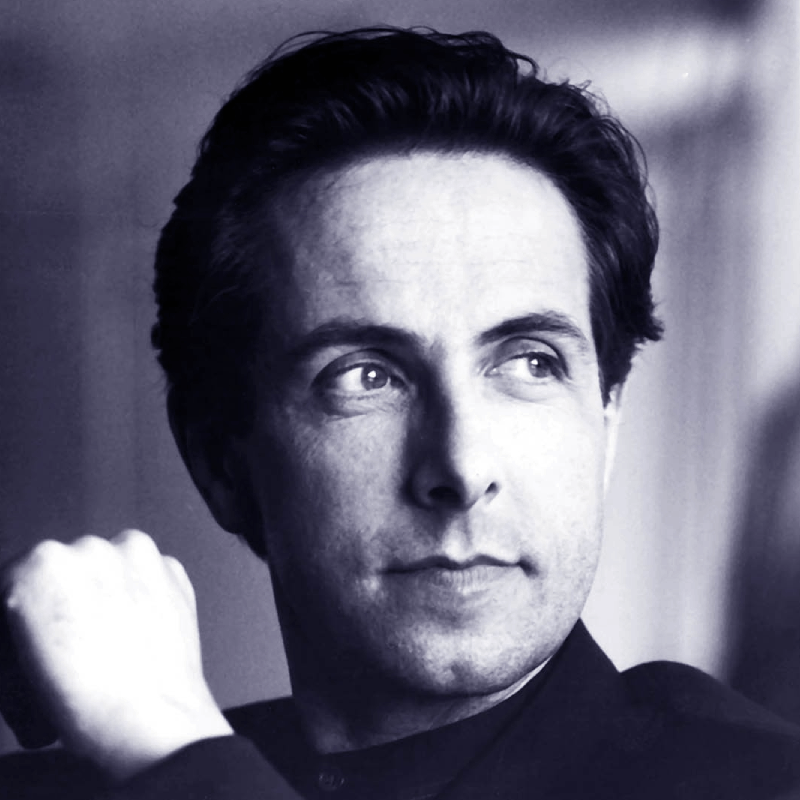
Books of Blood, The Hellbound Heart (which became Hellraiser), Imajica, Weaveworld—Barker doesn’t flinch from gore, but he makes it poetic. His monsters are often sexy, tragic, or both.
He invented the Cenobites—those leather-clad, hook-wielding angels of exquisite agony—and gave horror a queer, body-horror edge long before it was trendy. If you can read “The Midnight Meat Train” on the subway without looking over your shoulder, you’re stronger than I am.
6. Mary Shelley (1797–1851) – The 18-Year-Old Who Birthed a Genre
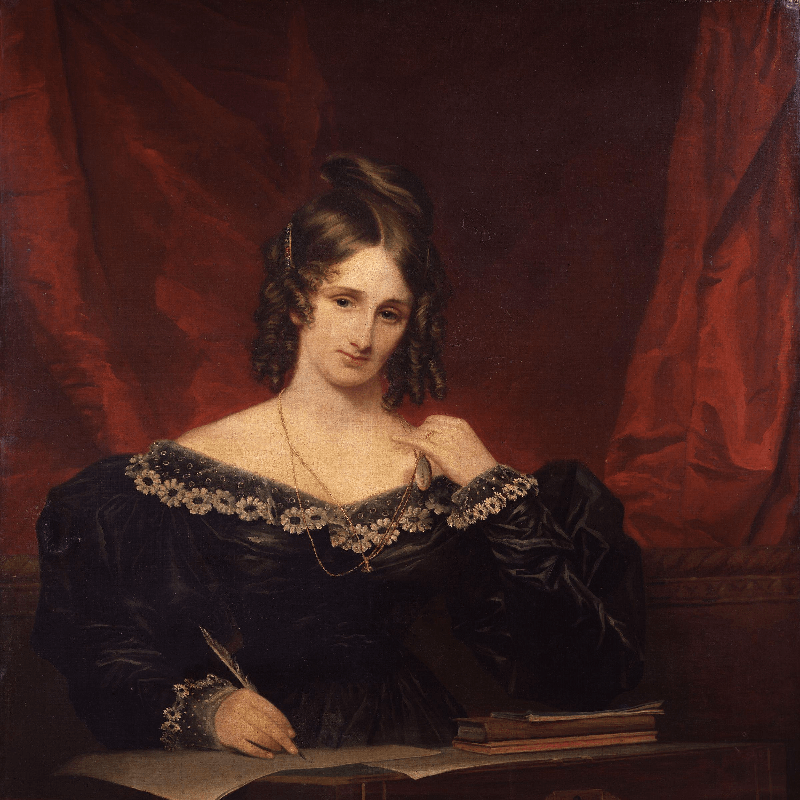
Summer 1816. A teenage girl, her poet boyfriend, Lord Byron, and a thunderstorm. Dare: write a ghost story.
Result: Frankenstein; or, The Modern Prometheus.
She didn’t just create science fiction and body horror—she asked the question every horror story since has been answering: “Just because we can play God, should we?”
The monster isn’t the eight-foot creature. It’s the loneliness of being hated for existing.
7. Bram Stoker (1847–1912) – The Man Who Made Vampires Sexy and Terrifying
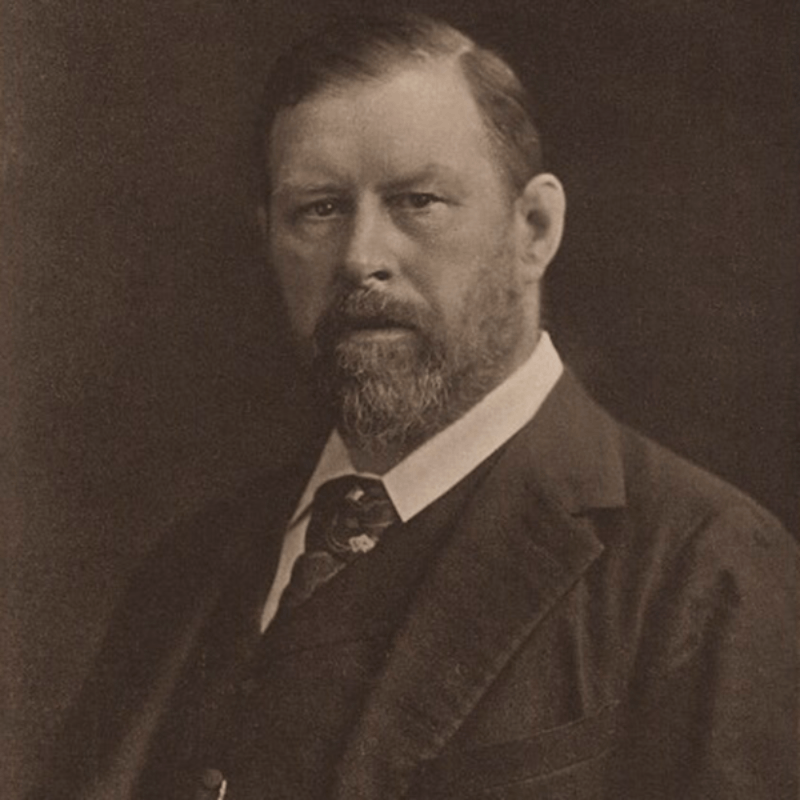
Dracula isn’t the first vampire novel, but it’s the one that matters. Slow, epistolary, dripping with Victorian repression—Stoker turned folklore into erotic nightmare.
Fun fact: He based Count Dracula partly on his boss, the actor Henry Irving, which is the most passive-aggressive thing an employee has ever done.
Every vampire since—Lestat, Edward Cullen, the Salvatore brothers—owes royalty checks to a polite Irish theater manager who died thinking his book was a failure.
8. Richard Matheson (1926–2013) – The Quiet Genius Behind Your Favorite Movies
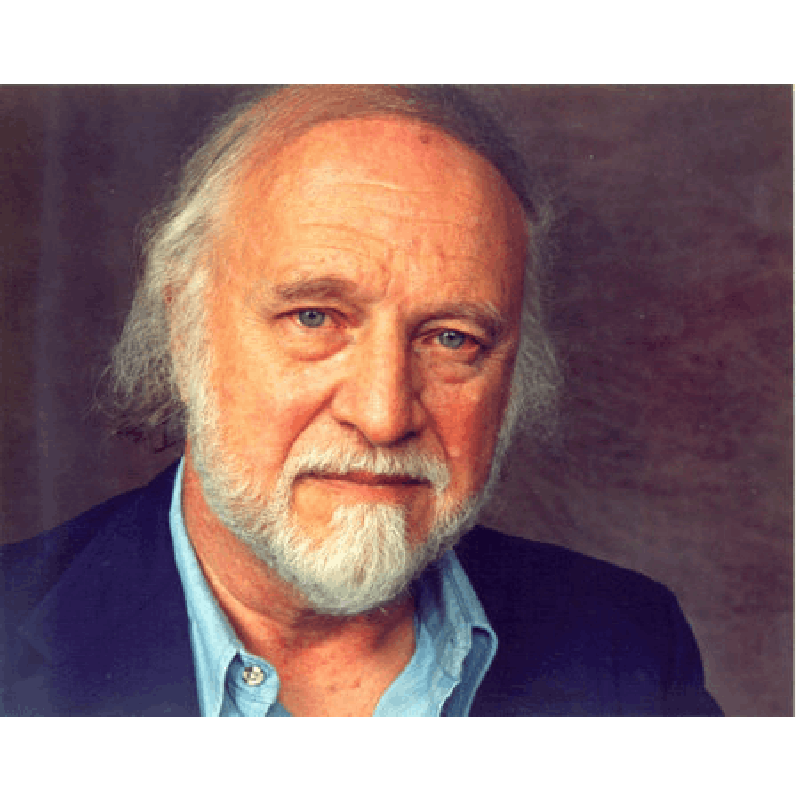
I Am Legend (the real ending will break you), Hell House, The Shrinking Man, Duel (yes, Spielberg’s first film), Stir of Echoes, What Dreams May Come.
Matheson wrote lean, mean, idea-driven horror that asked: “What if the monster is the last man on Earth?” or “What if ghosts are just people who won’t shut up?”
Stephen King called him “the author who influenced me most as a writer.” That’s not hype—that’s fact.
9. Anne Rice (1941–2021) – The Woman Who Gave Vampires a Soul (and Great Hair)
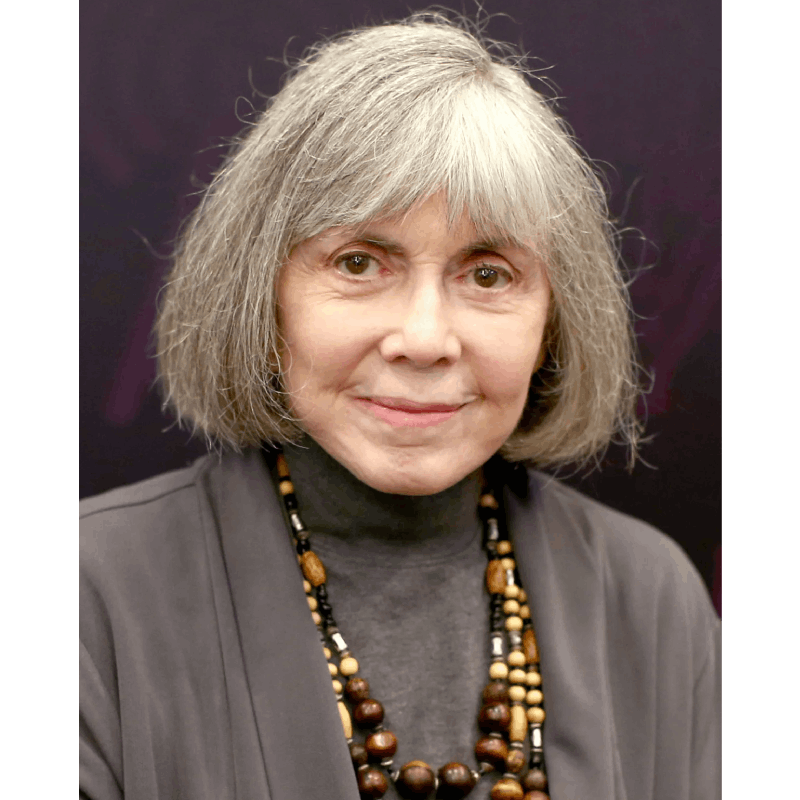
Interview with the Vampire dropped in 1976 and changed everything. Suddenly vampires were tragic, bisexual, theatrical philosophers wearing velvet and crying marble tears.
The Vampire Chronicles turned horror into operatic gothic romance and made an entire generation of teenagers want to be eternally 27 and dramatically depressed. She also wrote sizzling erotica under pseudonyms because why not.
10. Ramsey Campbell (1946– ) – The Master of Slow-Burn Urban Dread
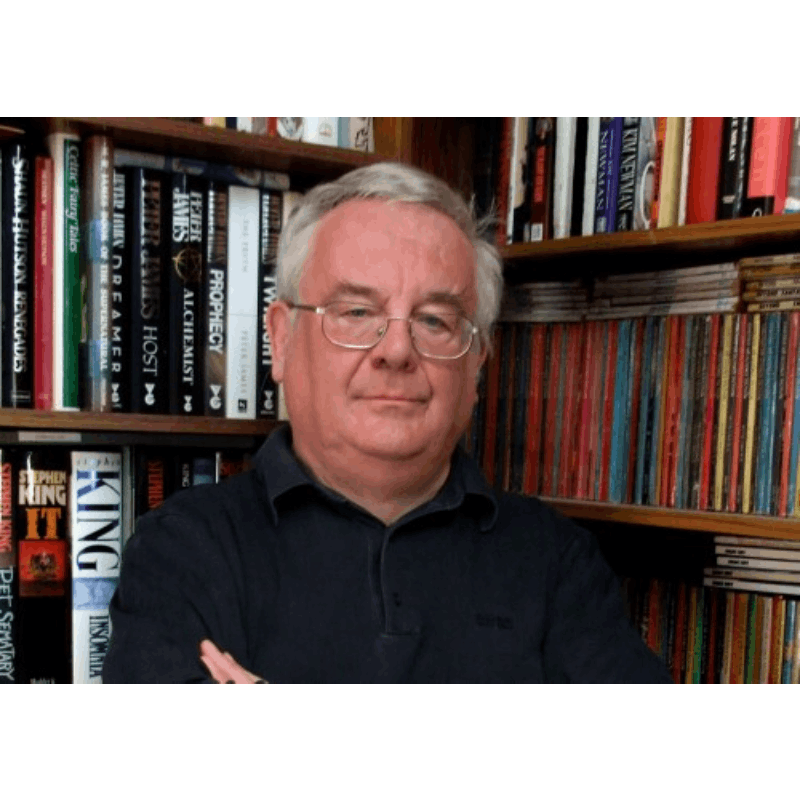
If Lovecraft moved to rainy Liverpool and got depressed, you’d get Campbell. His stories unfold in ordinary British cities where the streetlights flicker just wrong and the neighbor’s smile lasts half a second too long.
Books like The Hungry Moon, Incarnate, and Ancient Images are subtle until they punch you in the throat. He’s the writer other horror writers are afraid of.
11. Tananarive Due (1966– ) – The Future (and Present) of Black Horror
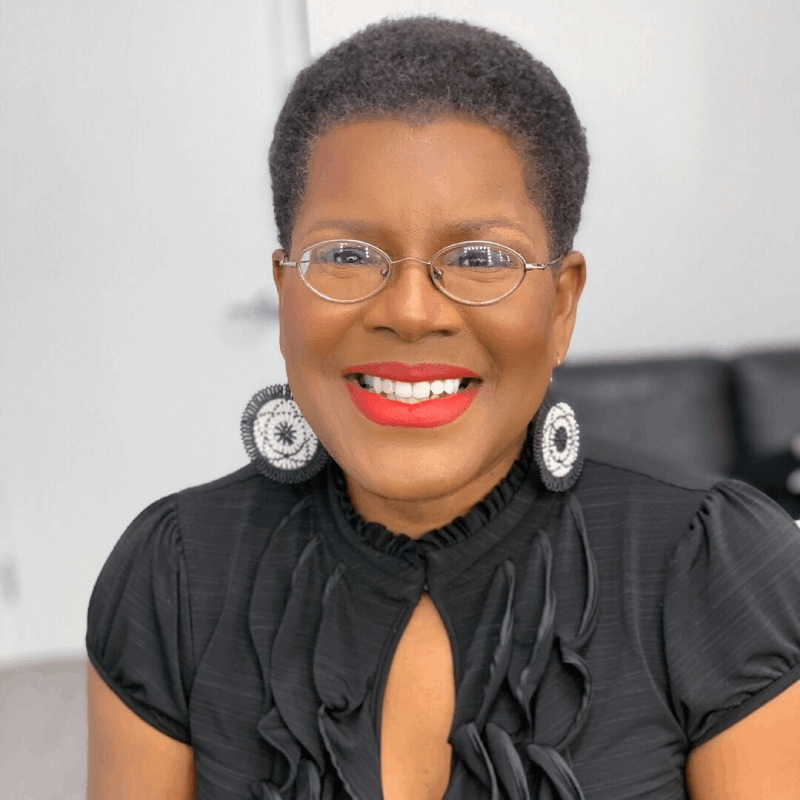
The Between, My Soul to Keep, The Good House, The Reformatory—Due blends African-American history, family trauma, and supernatural terror with surgical precision.
She’s Jordan Peele’s favorite horror writer for a reason. Her ghosts aren’t random—they’re the legacy of slavery, redlining, and every injustice that refuses to stay buried.
12. Silvia Moreno-Garcia (1981– ) – The Shapeshifter Who Reinvents Horror Every Book

Mexican Gothic (mold that thinks), Certain Dark Things (Aztec vampires), The Beautiful Ones (telekinetic romance), Silver Nitrate (cursed Nazi horror film).
She refuses to write the same book twice and somehow makes every genre bend to her will. Currently the hottest name in literary horror—and deservedly so.
13. Junji Ito (1963– ) – The Manga Artist Who Ruined Spirals Forever
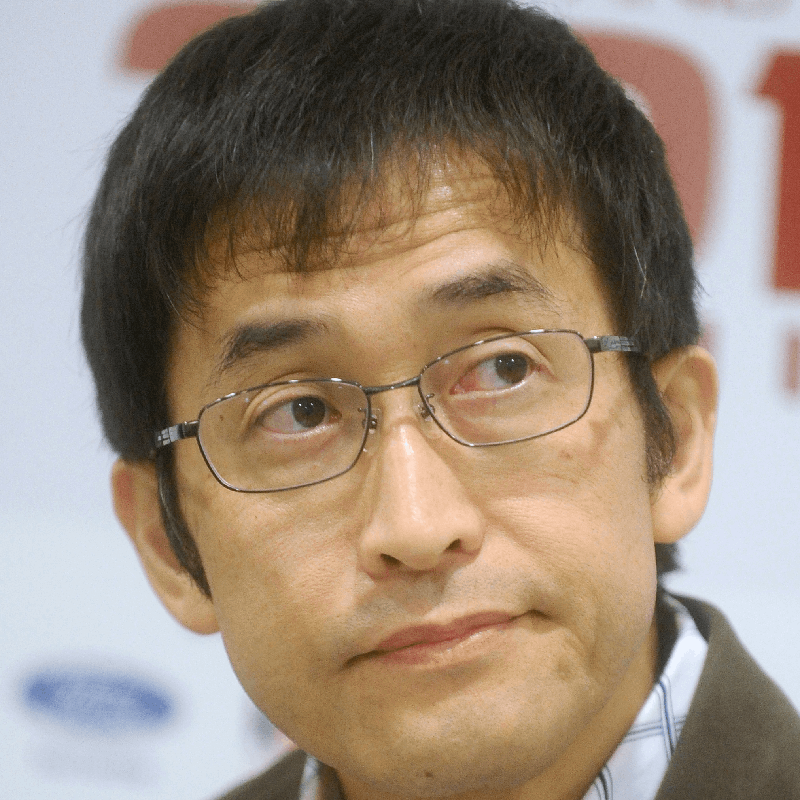
Uzumaki, Tomie, Gyo, Shiver. If you’ve seen those viral panels of people turning into snails or holes that drive men mad, that’s Ito.
His horror is body, architecture, fashion, and geometry gone wrong. Reading Uzumaki is a one-way ticket to never looking at a spiral staircase the same way again.
Honorable Mentions (Because Nightmares Have No Quota)
Daphne du Maurier – Rebecca and “The Birds” still haunt
Algernon Blackwood – “The Willows” is peak nature-horror
Thomas Ligotti – philosophical nihilist dread
Laird Barron – cosmic tough-guy horror
Victor LaValle – modern myth-making
Carmen Maria Machado – queer body horror that hurts so good
Koji Suzuki – Ringu (the original Ring)
Mariana Enríquez – Latin American gothic that bites
The Final Truth About Great Horror Writers
The best ones don’t just want to scare you.
They want to show you something true about being human that you’ve been trying very hard not to look at.
Fear of death. Fear of losing control. Fear that the people we love best might hurt us worst. Fear that the universe is a thin crust over something that’s been watching us the whole time.
That’s why these 13 (and the honorable mentions) aren’t going anywhere. They’re already inside the house.
Sweet dreams.
(Or… you know. Whatever the opposite of that is.) 👁️