A Clear and Thoughtful Guide to the Variations
Many people hold the Bible dear as a source of wisdom, comfort, and guidance. A common question arises when discovering that not all Bibles contain the same number of books. The answer depends on the Christian tradition, as different denominations accept varying collections of sacred texts.
All major Christian Bibles share the same 27 books in the New Testament. Differences occur in the Old Testament due to historical decisions about certain writings known as the deuterocanonical books (or apocrypha in some traditions).
Here is an accurate overview based on established canons from reliable sources like Britannica, Wikipedia, and denominational statements as of 2026.
The Protestant Bible: 66 Books
Most Protestant denominations, including Baptists, Evangelicals, and many Anglicans, use a Bible with 66 books.
Old Testament: 39 books
New Testament: 27 books
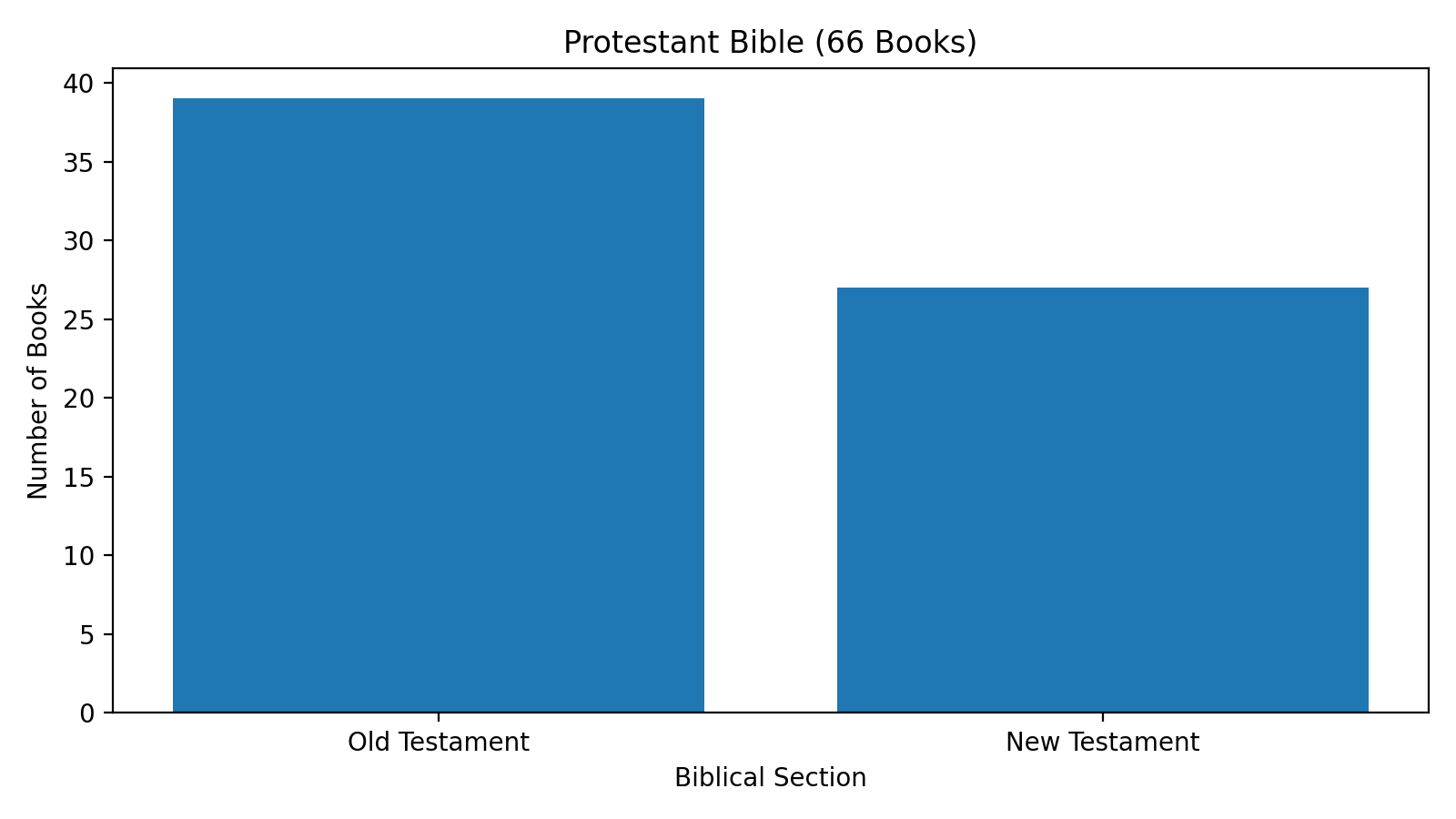
This canon aligns closely with the Hebrew Bible (Tanakh) accepted in Judaism, which has 24 books (counted differently but containing the same content as the Protestant Old Testament's 39). Protestants follow the Reformation-era decision to exclude deuterocanonical books, viewing them as valuable for reading but not divinely inspired on the same level.
The Catholic Bible: 73 Books
The Roman Catholic Church recognizes 73 books.
Old Testament: 46 books (including 7 deuterocanonical books: Tobit, Judith, Wisdom, Sirach/Ecclesiasticus, Baruch, 1 Maccabees, 2 Maccabees, plus additions to Esther and Daniel)
New Testament: 27 books
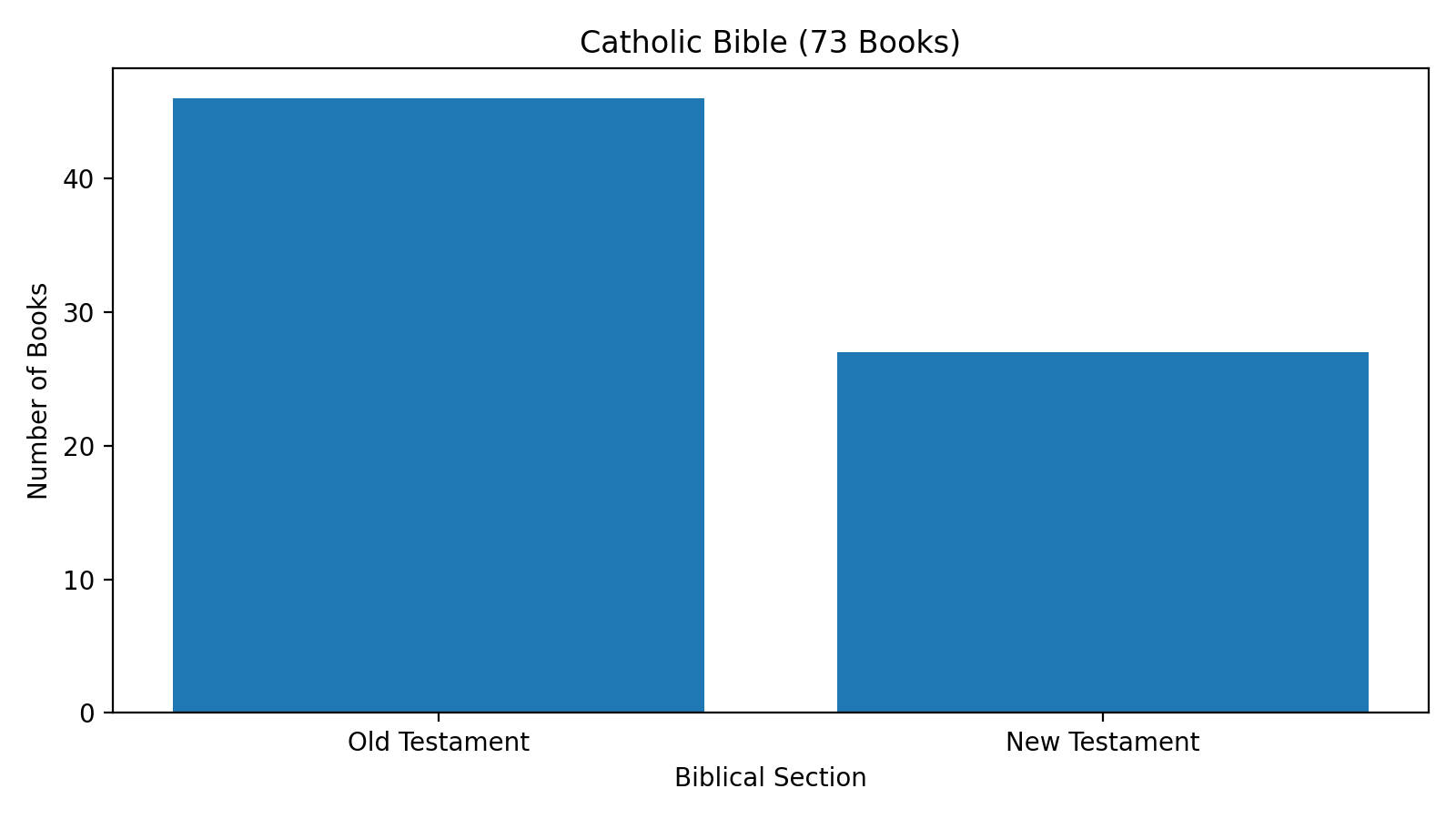
This canon was affirmed at the Council of Trent in the 16th century but traces back to early church councils like Hippo (393) and Carthage (397). Catholics consider these additional books inspired and useful for doctrine.
The Eastern Orthodox Bible: Typically 76–79 Books
Eastern Orthodox churches generally include 76 to 79 books, with slight variations by jurisdiction.
Old Testament: 49–52 books (including the Catholic deuterocanonicals plus others like 3 Maccabees, 1 Esdras, Prayer of Manasseh, and Psalm 151)
New Testament: 27 books

The exact count can differ; for example, the Greek Orthodox often have 76, while some include more.
The Ethiopian Orthodox Bible: 81 Books
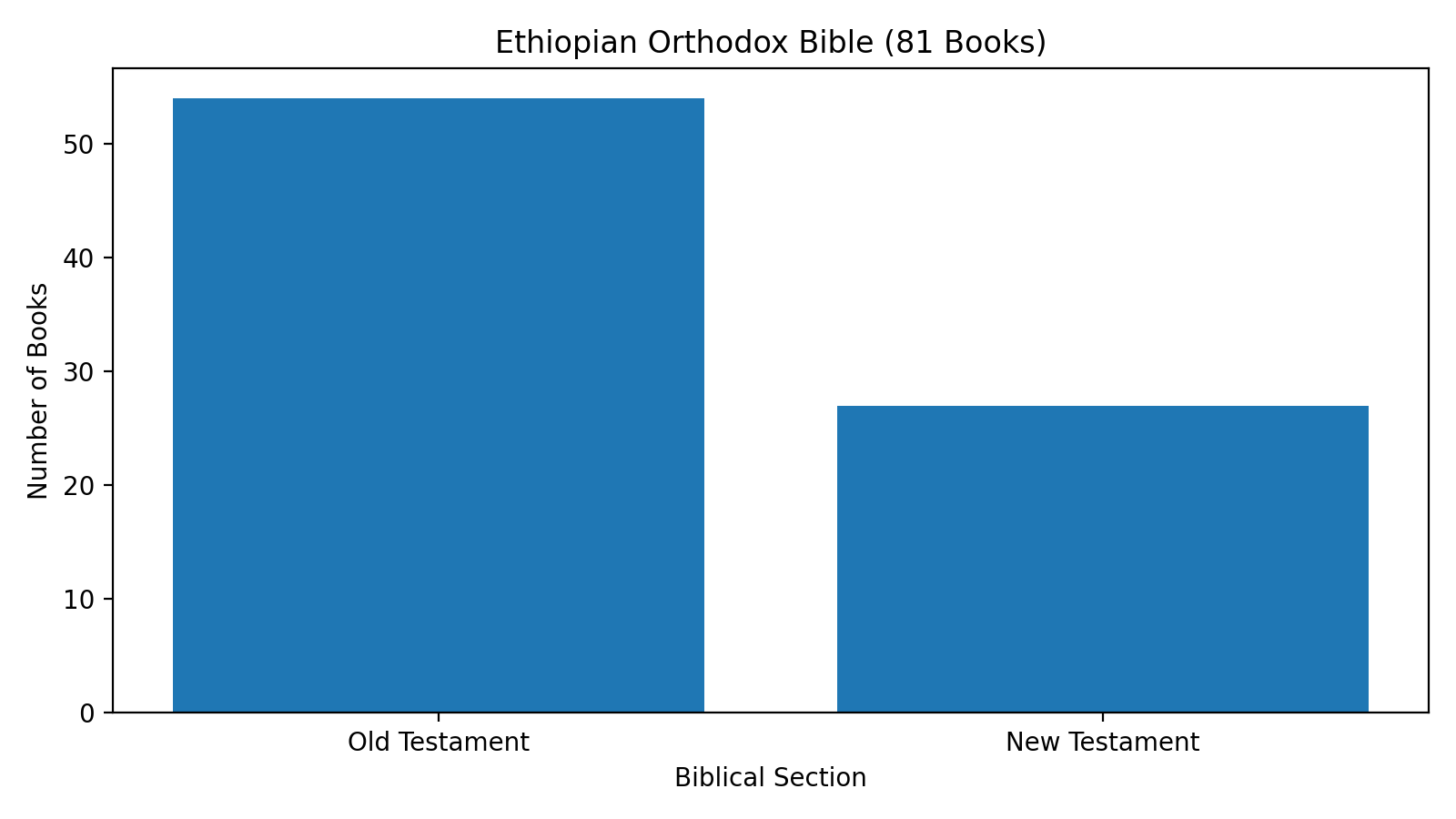
The Ethiopian Orthodox Tewahedo Church has the largest canon with 81 books. This includes additional texts like Enoch and Jubilees, reflecting an ancient tradition.
Why the Differences Exist
All Christians agree on the 27 New Testament books, finalized in the 4th century. Variations in the Old Testament stem from early debates about books written in Greek (Septuagint) versus Hebrew originals. Jewish tradition settled on the shorter canon around the 1st–2nd centuries CE. Early Christians used the Septuagint, which included more books. During the Reformation, Protestant leaders like Martin Luther aligned with the Hebrew canon, while Catholics and Orthodox retained the broader one.
These differences reflect thoughtful historical discernment rather than error. Each tradition honors its canon as complete and authoritative.