Transform pages into progress with AI-powered summaries
Forgiving What You Can't Forget Book: A Journey to Healing and Freedom
Forgiving What You Can't Forget Book
In a world where we often carry the weight of past grievances, the journey toward healing can feel overwhelming. Lysa TerKeurst, a beloved author and speaker, addresses this struggle in her thought-provoking book, "Forgiving What You Can't Forget." With warmth and vulnerability, TerKeurst shares her own experiences of betrayal and pain, inviting readers to confront the challenges of forgiveness head-on.
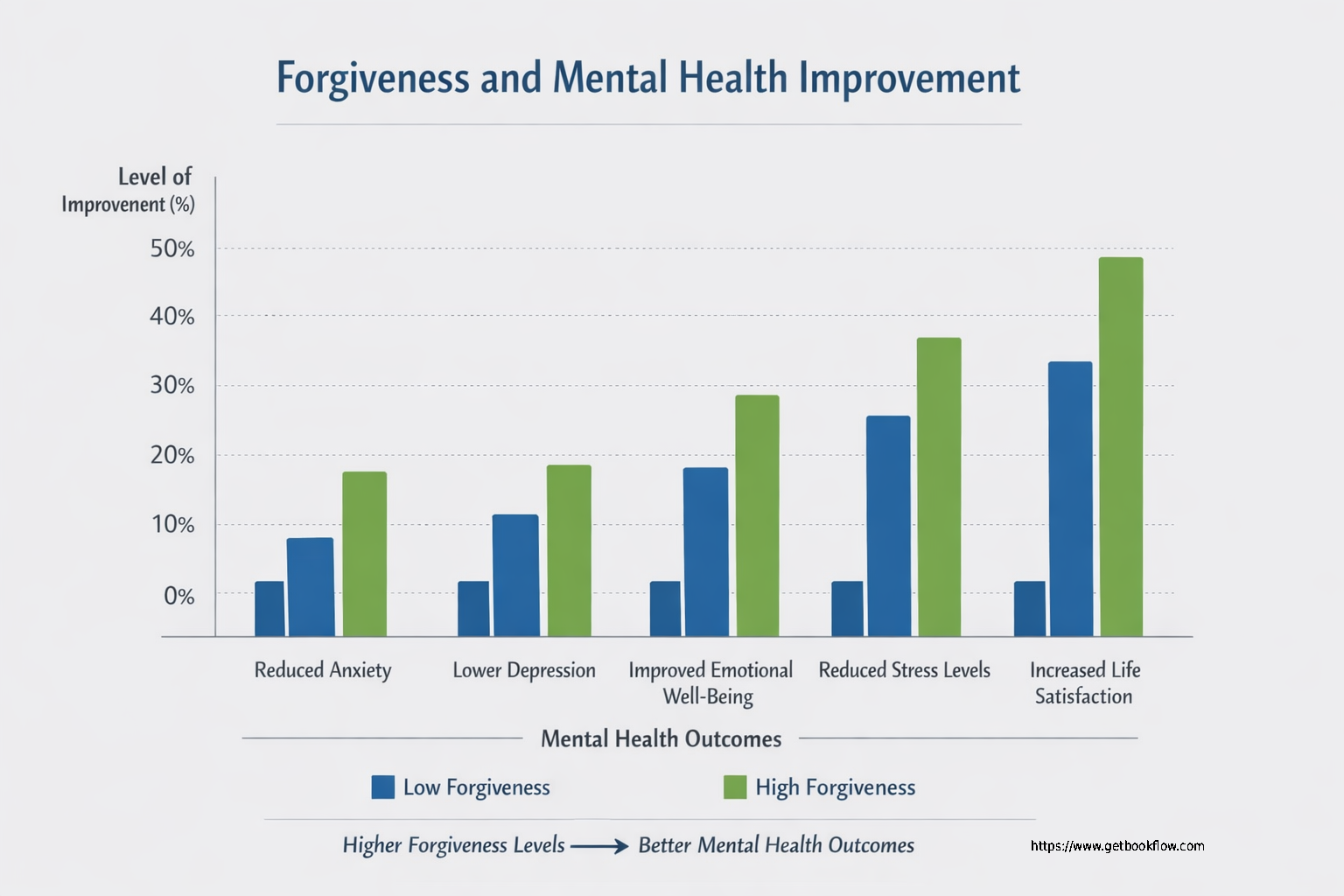
Forgiveness is not merely a noble ideal; it serves as a powerful catalyst for personal growth and emotional healing. Research shows that holding onto resentment can lead to long-term mental health issues, including anxiety and depression. In fact, a study published in the Journal of Consulting and Clinical Psychology found that individuals who practice forgiveness experience lower levels of stress and better emotional well-being.
Through relatable anecdotes and practical guidance, TerKeurst demonstrates how forgiveness can transform our lives, even when the hurt feels too deep to overcome. She reminds us that forgiving does not mean forgetting or excusing the pain inflicted upon us. Instead, it is an act of self-liberation, freeing us from the shackles of our past. As we navigate the complexities of forgiveness, we not only heal ourselves but also open the door to deeper connections with others. Whether you are grappling with personal relationships or seeking closure from past experiences, "Forgiving What You Can't Forget" is a heartfelt companion on the journey to reclaiming peace and joy.
The Core Message of the Book
In "Forgiving What You Can't Forget," book the core message resonates deeply with anyone who has ever felt the weight of past hurts. At its heart, this book explores the transformative power of forgiveness, emphasizing that it is not about erasing memories or justifying the wrongs done to us. Instead, the act of forgiveness serves as an emotional release, allowing us to let go of the burdens that keep us anchored to pain.
One of the key themes is the idea that forgiveness is a personal journey, unique to each individual. For example, the author shares poignant stories of people who have encountered profound betrayal, from a friend’s deception to a family member’s betrayal. These narratives illustrate that while the pain may linger, the choice to forgive enables healing. It is about reclaiming our right to happiness, regardless of circumstances.
Readers are invited to reflect on their own experiences, recognizing that forgiveness can lead to a fuller, more authentic life. A significant takeaway from the book is that forgiving someone does not mean we have to forget what happened or allow it to define us. Rather, it is about moving forward with a sense of freedom and peace.
Ultimately, the "Forgiving What You Can't Forget" book encourages us to embrace our vulnerability, understand our emotions, and foster compassion, not just for others, but for ourselves, too. This journey can be challenging, but the rewards of emotional release and deeper connections make it profoundly worthwhile.
Understanding the Impact of Unforgiveness
Holding onto grudges can feel like carrying a heavy backpack filled with stones, weighing us down emotionally and psychologically. As we navigate through life, these burdens can significantly impact our mental health. The unforgiveness we hold onto often manifests as chronic stress, anxiety, and even depression. When we fail to forgive, we trap ourselves in a cycle of negative emotions that can be challenging to break free from.
Research reinforces the idea that unforgiveness is detrimental to our mental well-being. According to a study published in the Journal of Health Psychology, individuals who struggled to forgive reported higher levels of anxiety and depression. In fact, nearly 60% of participants who held onto grudges experienced symptoms of chronic stress, which is closely linked to various mental health disorders.
Reflecting on my own experiences, I remember a time when I struggled to forgive a close friend who had betrayed my trust. For months, I replayed the hurtful events in my mind, replaying them like a broken record. I felt angry, resentful, and drained. It wasn’t until I read the “Forgiving What You Can’t Forget” book that I began to understand the importance of letting go. The freedom I gained from forgiving my friend not only improved my mood but also allowed me to reconnect with other friends and enjoy social interactions again.
Forgiving What You Can't Forget Book: Higher forgiveness levels are consistently linked with better mental health outcomes.
Ultimately, understanding the impact of unforgiveness is crucial. It serves as a reminder that while we can’t change the past, we can choose how we respond to it. By embracing forgiveness, we not only liberate ourselves from the chains of resentment but also pave the way for healing, connection, and a healthier state of mind. The journey towards forgiveness may be complex, but as the “Forgiving What You Can’t Forget” book beautifully illustrates, it is certainly a journey worth taking.
Practical Steps to Forgiveness
Embarking on the path of forgiveness can feel daunting, especially when the memories of hurt linger. However, the “Forgiving What You Can’t Forget” book offers practical steps to guide you through this transformative journey. Here are some actionable steps to help you begin.
1. Acknowledge Your FeelingsThe first step is to allow yourself to feel. When I was grappling with a particularly painful betrayal, I took time to sit with my emotions, journaling about my anger, sadness, and confusion. This act of recognition was crucial. It helped me understand the depth of my pain and the importance of addressing it, rather than burying it deep inside.
2. Identify the Benefits of ForgivenessUnderstanding what forgiveness can offer you can be a powerful motivator. Reflect on how holding onto grudges can affect your wellbeing. For instance, research shows that unforgiveness can lead to anxiety and stress, impacting both mental and physical health. When I considered the relief and peace that would come from letting go, it became easier to take that first step toward forgiveness.
3. Shift Your PerspectiveTry to view the situation from the other person's perspective. This can be incredibly challenging but often illuminates their motivations. I remember when I struggled to forgive a friend who had betrayed my trust. By considering her own struggles, I began to see her actions in a different light. It didn’t excuse her behavior, but it allowed me to feel compassion, which eased my burden.
4. Take Small ActionsForgiveness is not a one-time event but a process. Start with small intentions, like expressing gratitude to someone supportive in your life. I found that focusing on the good around me helped shift my mindset bit by bit. Each small action reinforced my commitment to let go of resentment.
As you move through these steps, remember that forgiveness is a personal journey. It takes time, patience, and often, a bit of courage. Just as the “Forgiving What You Can’t Forget” book suggests, each step you take toward healing is a step toward reclaiming your peace. Embrace the journey, and let yourself grow through the process.
Conclusion: Embracing the Power of Forgiveness
In conclusion, embracing the power of forgiveness is one of the most liberating gifts you can give yourself. As we navigate the complexities of our relationships and the challenges life throws our way, remember that holding onto hurt only weighs us down, while forgiveness sets us free. It is a tool for personal freedom, enabling us to move past the pain and create space for joy and growth.
Consider this: when I finally chose to forgive someone who had deeply hurt me, it felt as though a heavy weight had been lifted from my shoulders. I began to notice things I had overlooked before, like the beauty in everyday moments and the warmth of connections with those around me. It's a profound shift that, as highlighted in the "Forgiving What You Can’t Forget" book, can transform our outlook on life.
As you reflect on your own experiences, I encourage you to ask yourself: what grudges am I holding onto? Are they serving me, or are they simply a burden? Forgiveness doesn't mean condoning the actions of others; rather, it’s about reclaiming your space and peace. Consider taking those first steps toward forgiveness, whether it's through journaling, seeking professional guidance, or simply having an honest conversation with yourself.
Remember, this journey is uniquely yours. While it may be difficult at times, the freedom that comes from forgiveness is well worth the effort. Embrace this journey, and let yourself grow through the process. The path may be winding, but each step forward is a testament to your resilience and strength.
Take Your Reading Further with BookFlow
If you've found value in these insights, imagine having AI-powered summaries, action steps, and frameworks at your fingertips for every book you read. BookFlow transforms how you extract knowledge from books, giving you the key takeaways and practical steps without spending hours reading.
Whether you're looking to implement new strategies quickly or build a habit of continuous learning, BookFlow makes it effortless. Try it free today and turn your reading into actionable results.